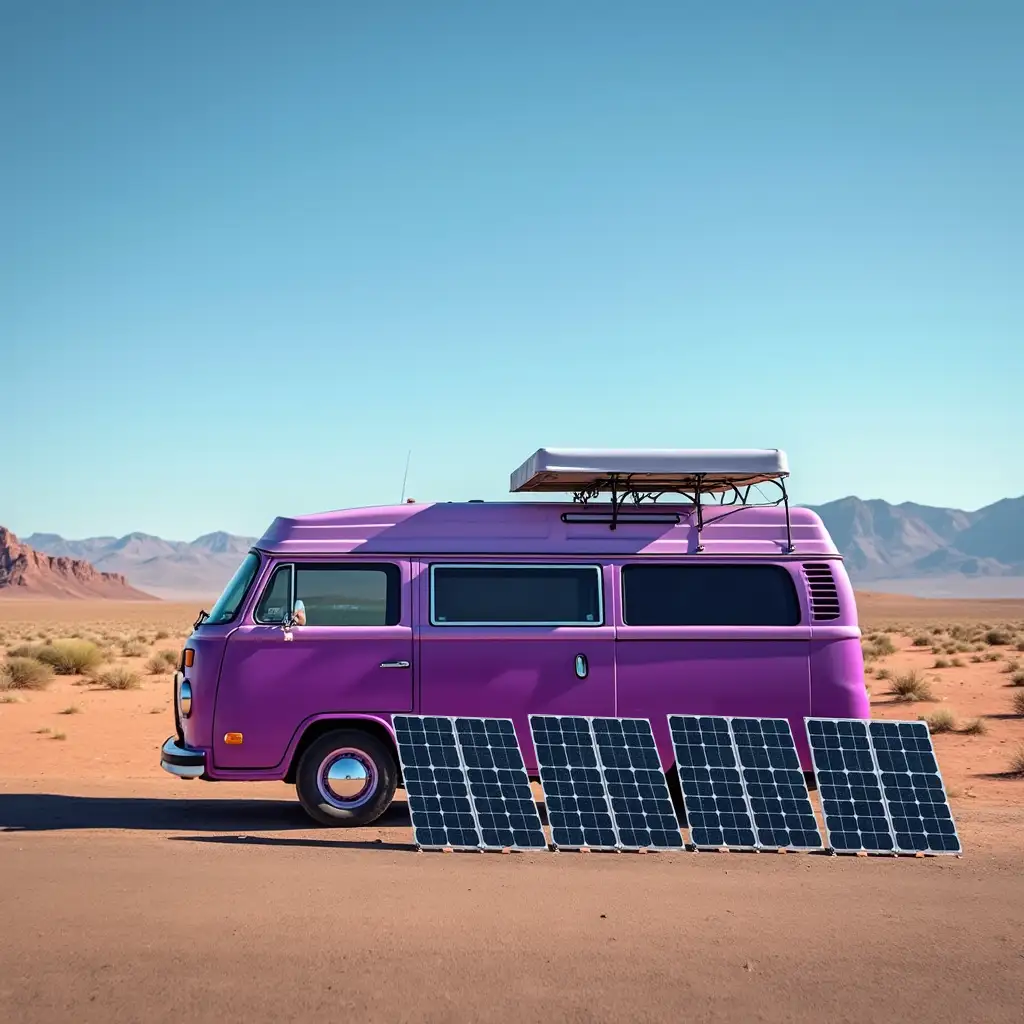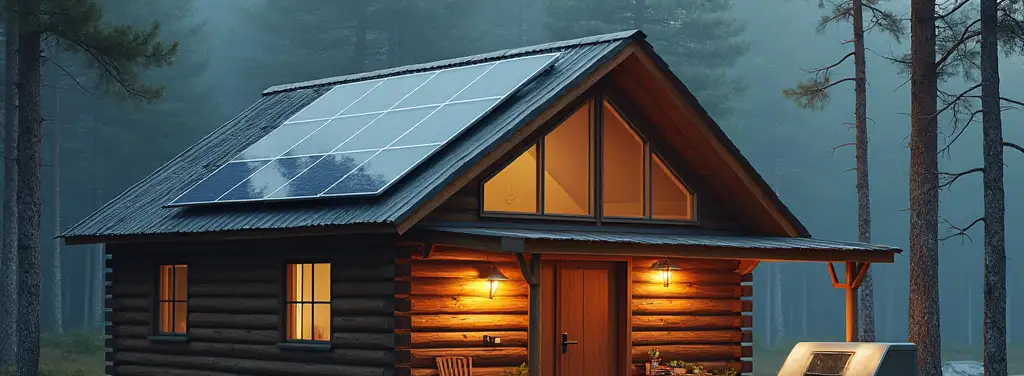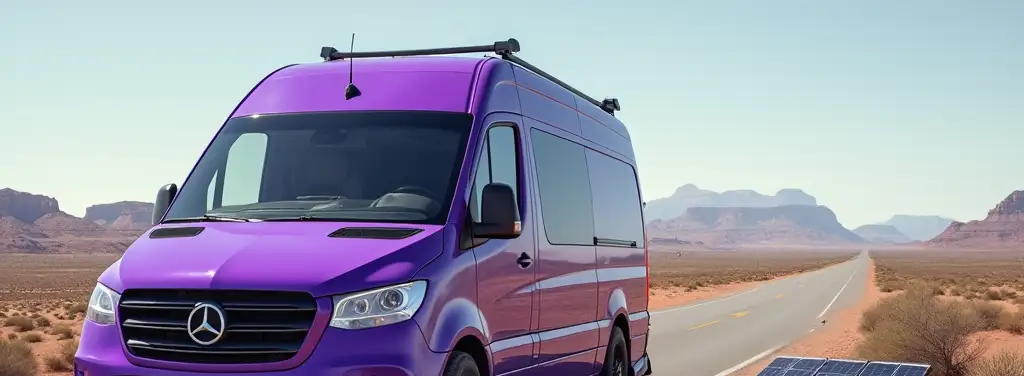
Who thrives off-grid?
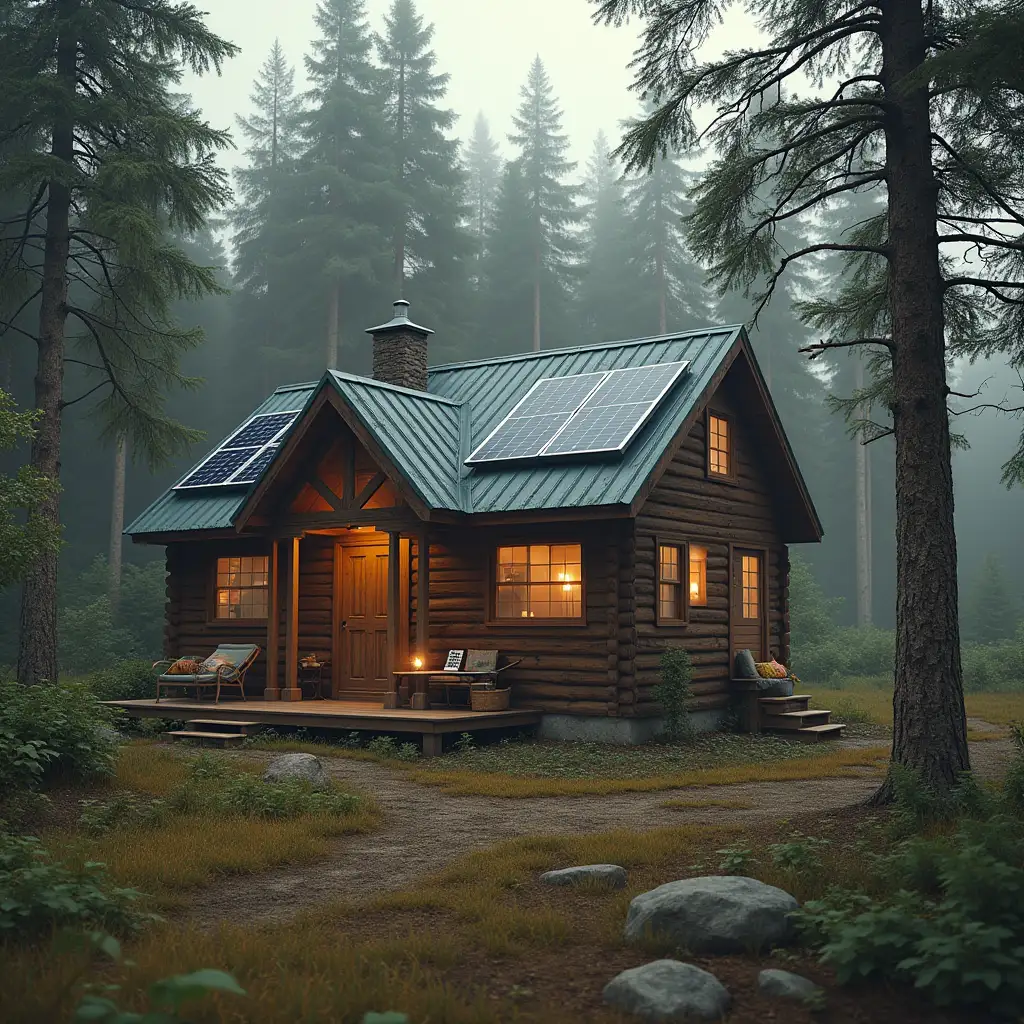
Remote workers needing stable space/power, homesteaders, families prioritizing self-reliance, and anyone who prefers routines and room to grow.
Who thrives on the road?
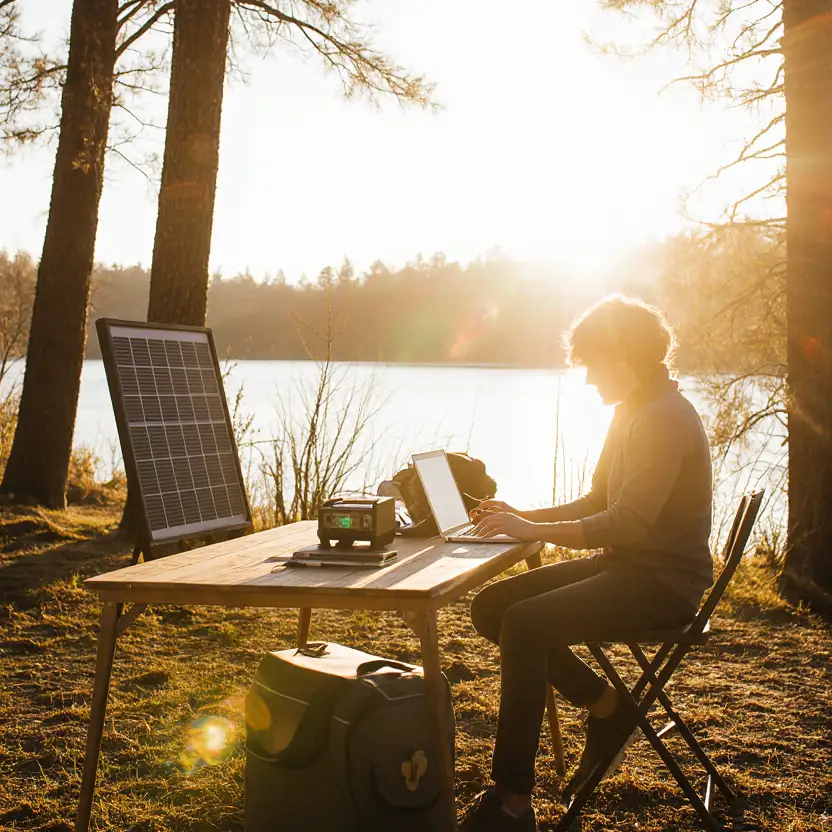
Remote creatives, photographers, adventure athletes, contractors traveling for gigs, and minimalists who value location freedom.
Regardless of where you live, off-grid or on the road, you need to:
Get this wrong, and you're stuck rationing power, burning fuel, or losing food / data / work time.
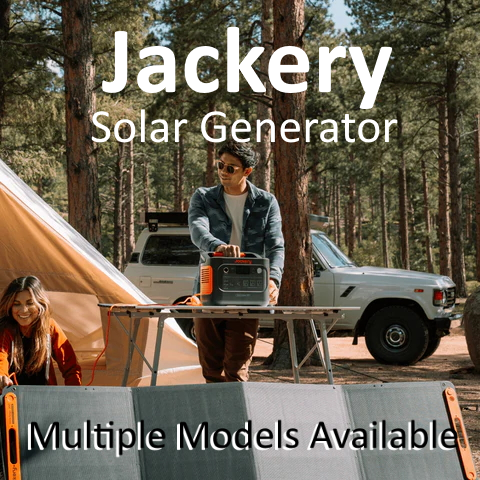
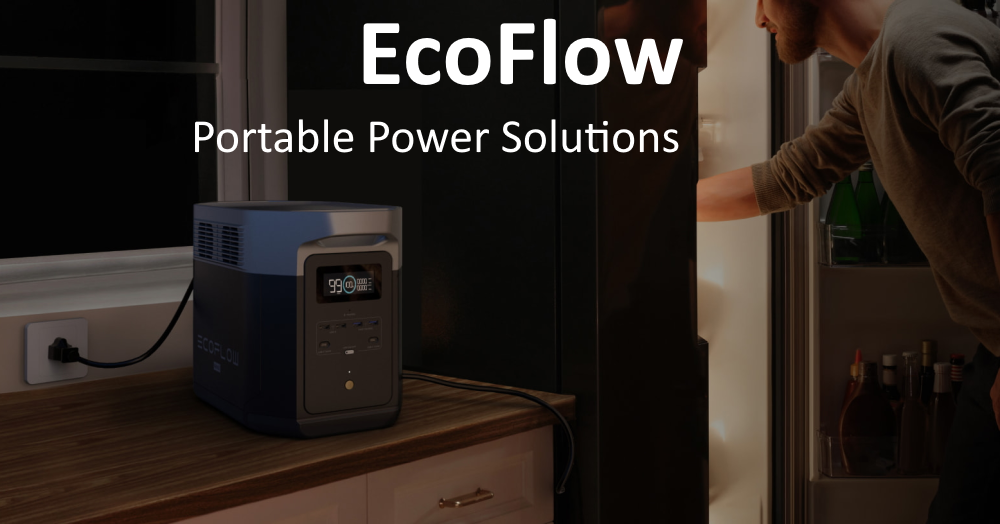
Portable power stations (like Jackery and EcoFlow) integrate battery + inverter + MPPT solar charger + ports into one box. Pair them with foldable or rigid solar panels and you get:
Fast setup, beginner-friendly; no wiring nightmares.
No gasoline noise / smell, no oil changes, minimal upkeep.
Start small, add panels or a second unit later. Ideal for growing needs.
Solar, AC wall/shore power, and in many cases vehicle 12V/alternator.
Many current models use LiFePO4 (long cycle life, stable).
Apps and displays to track watts in/out, state of charge, and time-to-empty/full.
As primary power for small loads, or as a resilient backup to a larger system.
Core house power that can move between rigs or to a tent/cook site.
Reliable AC for laptops, cameras, routers, and lighting.
Keep comms and refrigeration running during storms or outages.
| Factor | Fixed Off-Grid | Always on the Road |
|---|---|---|
| Lifestyle | Stability, routine | Mobility, flexibility |
| Power System Size | Larger arrays & batteries | Compact, weight/space limited |
| Setup Complexity | Higher (permitting, wiring) | Lower with portable stations |
| Ongoing Costs | Low utilities, some maintenance | Fuel, campsites, vehicle maintenance |
| Comfort/Appliances | Full-size easier | Downsized, energy-efficient |
| Internet | Fixed solutions possible | Variable; hotspots/starlink/cafés |
| Risk Profile | Weather & isolation | Vehicle breakdowns & logistics |
| Best Fit For? | Homesteaders, remote workers needing space | Minimalists, digital nomads, explorers |
Start by first listing essentials and their watt draw (label or manual) as shown in this example:
Estimate daily energy - Wh = Device Watts x Hours Used (sum for all devices).
Add a buffer - multiply by 1.2-1.3 to account for inverter and conversion losses.
Pick capacity - Choose a station whose battery capacity (Wh) meets or exceeds your daily Wh.
Check inverter power (W) - Ensure the station's continuous/surge ratings exceed your peak simultaneous load.
LiFePO4 (long life, thermal stability) vs. NMC (lighter, higher energy density).
Look for >2,000 cycles to ~80% capacity for LiFePO4 units.
Match to your heaviest appliance use.
Higher input = faster solar charging. Confirm connector type and voltage range.
Extra batteries or parallel units if you plan to grow.
AC outlets, regulated 12V, multiple USB-C PD (100W+ for laptops), and RV/cig ports.
AC fast charge is nice, but don't over-stress grid circuits; solar/DC flexibility matters more in the field.
Can you safely lift it? Consider two smaller units instead of one giant block if you move it often.
Useful for optimization and updates.
Especially important for remote living.
Popular brands include:- Jackery and EcoFlow are popular because they emphasize plug-and-play design, reliable inverters, modern battery tech, and solid ecosystems of panels and accessories. Choose the model that meets your watt-hour and inverter needs rather than the brand first.
Looking to simplify your shopping experience? Here's a clear breakdown of ready made bundles. Each package pairs a portable solar power station with the right sized panels, so you know exactly what you're getting and what it's good for.
Off-grid property Larger solar + batteries + infrastructure upfront; lowest long-term utility exposure.
On the road Smaller solar + batteries + vehicle upgrades; recurring fuel/maintenance/campsite costs.
Portable stations Reduce install complexity and time, and make costs predictable; great for starting now and scaling later.
Choose Off-Grid (Fixed) if you value:
Choose Always on the Road if you value:
Either way, a well-sized portable solar power station is the simplest, quickest win; it powers your essentials today and grows with you tomorrow.
Before investing in a portable solar power station, keep these key points in mind:
There's no "best" lifestyle; only the one aligned to your values and risk tolerance. What's universal is the need for reliable, right-sized power. Start with a portable solar power station that covers your essentials, then scale deliberately. It's the fastest path to energy freedom; whether you're planting roots off-grid or chasing horizons on the open road.
Choose the bundle that fits your needs; whether it's Digital Nomad Van (solo/duo), Family Cabin or Light Off-Grid, or Content Creator or Field Work Bundle, start enjoying clean, portable energy today. Need help sizing? Our team can match you with the perfect Jackery or EcoFlow solution tailored to your usage patterns.
Get a Quote